
News from Italy

Sede Vacante: What happens when the Pope dies?
The death of Pope Francis begins the so-called “sede vacante,” a period when the See of Peter lies vacant. The time of the sede vacante after the Pope’s death brings with it a series of symbols, traditions, and protocols that have existed for centuries and express the papacy’s essence.
With the death of a Pope, not only the spiritual leader but also the head of state has passed away. Therefore, all diplomatic relations, decision-making processes and Church appointments in the Vatican are temporarily suspended. With the death of the Pope, the official mourning period begins in the Vatican.
Pope Francis, the leader of the Catholics, has passed away at the age of 88. So what will happen now?
The importance of the Camerlengo
A cardinal is put in charge. And he becomes “Camerlengo,” the man who temporarily runs the Church. Until a new Pope is elected, the administrative affairs of the Church are managed by the Camerlengo (Cardinal Regent). The head of the cardinal chamber, called Camerlengo in Italian, is currently held by 77-year-old Irish-American Cardinal Kevin Joseph Farrell. The Camerlengo (Cardinal Regent), the highest-ranking cardinal in the Papal Palace, first confirms the death of the Pope. He holds the keys to everything—literally. No major decision is made without his seal.
The pope appointed the Camerlengo, and Farrell was chosen in 2019 to replace the French Cardinal Jean-Louis Tauran after his death at age 75. Farrell is the current prefect of the Dicastery for the Laity, the Family, and Life and former bishop of Dallas.
The Camerlengo used to head the Apostolic Camera, an institution that dates back to the 12th century and was entrusted to manage the goods of the Church during the sede vacante. It comprises the Camerlengo, the vice-chamberlain, the general auditor, and the college of clerical prelates of the camera.
However, the Apostolic Camera has been suppressed by the Praedicate Evangelium. According to the new constitution, the Camerlengo is assisted by three cardinals. One is the cardinal coordinator of the Council for the Economy. The other two are “identified according to the modalities provided by the legislation on the vacancy of the Apostolic See and the election of the Roman pontiff.” The Camerlengo must also inform the cardinal archpriest of St. Peter’s Basilica, Cardinal Mauro Gambetti, of the news. The Camerlengo must then take possession of the Apostolic Palace in the Vatican and the Lateran and Castel Gandolfo palaces.
After discussing the matter with the members of the College of Cardinals, Camerlengo is duty-bound to make all the arrangements for the pope’s funeral and burial.
There is no such thing as a “vice Pope.” The Camerlengo, therefore, does not assume papal authority. Instead, he manages regular administration, with help from the three cardinal assistants, while maintaining contact with the College of Cardinals throughout.


What does the camerlengo do?
First, when the Pope dies, he has to “ascertain the Pope’s death, in the presence of the master of pontifical liturgical celebrations, the cleric prelates of the Apostolic Camera, and the secretary and chancellor of the same,” according to Universi Dominici Gregis.
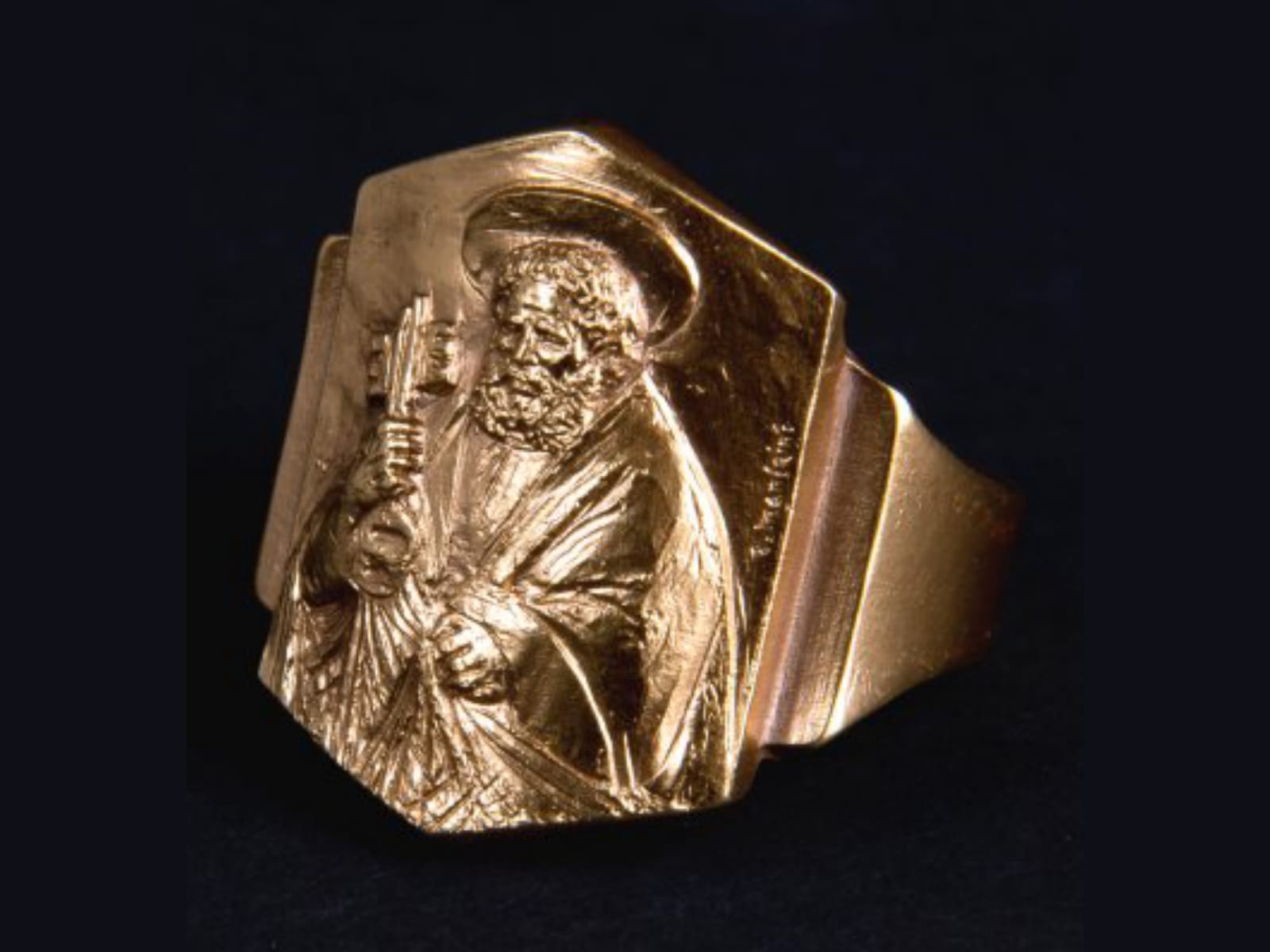
The camerlengo must also break the Ring of the Fisherman, which the Pope wears for the first time at his installation Mass, annulling the seal of the pontificate. The camerlengo will also seal the pope’s study and bedroom: No one will be able to enter the papal apartments until after his burial.
This is slightly likely different from Pope Francis, who chose the Casa Santa Marta rather than the Apostolic Palace as his residence after his election in 2013. In this case, the camerlengo will have to seal the papal apartments, which remained unused during this pontificate, and the Pope’s apartment in the Vatican guesthouse.
After these procedures, the camerlengo notifies the cardinal vicar of the Diocese of Rome of the Pope’s death.

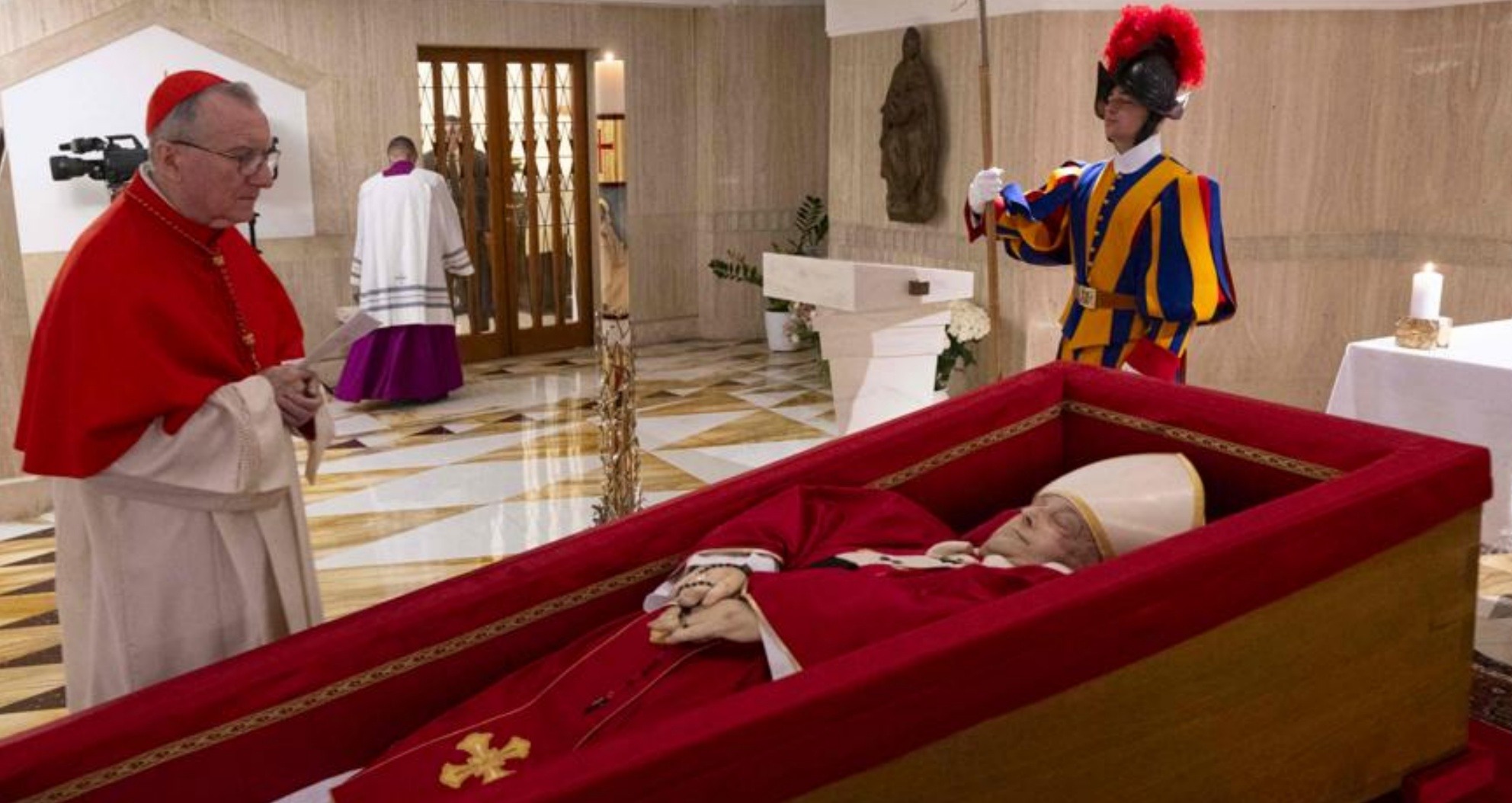
The Pope is brought to the Private Chapel.
The Pope’s body is dressed in a white cassock and brought to the Pope’s private chapel. He and other officials and the Pope’s family gather in the chapel for the ceremony. The body is placed in a coffin made of wood and coated with zinc. The Pope is dressed in a red robe, and his mitre and pallium are placed next to him. The cardinal chamberlain of the Holy Roman Church, the head of the Vatican’s health department and the de facto administrator of the Vatican, the Camerlenio, performs the process of confirming the Pope’s death. This ceremonial confirmation is performed by addressing the Pope’s face, saying his name three times, and receiving no response.
The Pope reformed the rite of the papal funeral, too.
First, the pope’s death is certified not in the room where he dies but in his private chapel. The camerlengo calls the deceased pope three times by his baptismal name. The baptismal name is used rather than the papal name since the deceased pope’s papal identity and function cease upon his death. The tradition of tapping the deceased Pope three times with a small silver hammer has long been in disuse.
After the ceremony, the camerlengo prepares a document confirming the Pope’s death, including the doctor’s report.

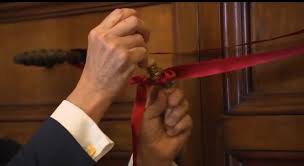
Camerlengo seals Pope’s second-floor apartments
He secures the Pope’s private papers and seals his apartments, which cover most of the second floor of Casa Santa Marta, the guesthouse used by cardinals visiting the Vatican and where Francis has lived throughout his papacy. It marks the end of his reign. There is no turning back.
The Camerlengo destroys the fishing ring the Pope uses to seal documents with a hammer.
He also has the fishing ring that the Pope uses to seal documents, which is destroyed with a ceremonial hammer to prevent forgery. The papal seal is temporarily revoked.
After this stage, bells are rung in all churches in the Vatican. Then, a nine-day mourning period, Novemdiales, begins. Special masses and commemorations are held daily in the Vatican during this period. The Pope’s body is opened in St. Peter’s Basilica. On the other hand, the funeral ceremony has become globally significant, and heads of state attend it.

He secures the Pope’s private papers and seals his apartments, which cover most of the second floor of Casa Santa Marta, the guesthouse used by cardinals visiting the Vatican and where Francis has lived throughout his papacy. It marks the end of his reign. There is no turning back.
He also has the fishing ring that the Pope uses to seal documents, which is destroyed with a ceremonial hammer to prevent forgery. The papal seal is temporarily revoked.
After this stage, bells are rung in all churches in the Vatican. Then, a nine-day mourning period, Novemdiales, begins. Special masses and commemorations are held daily in the Vatican during this period. The Pope’s body is opened in St. Peter’s Basilica. On the other hand, the funeral ceremony has become globally significant, and heads of state attend it.


The funeral ceremony is usually held between the 4th and 6th day after death.
Meanwhile, the body of Pope Francis is in the Chapel of Santa Marta, where it will remain until Wednesday, April 23, the day on which it will be transferred to St. Peter’s. It will then be exposed, until Friday evening, to the devotion of the crowd of faithful. The pontiff, placed in a simple wooden coffin with a rosary in his hands, wears the red chasuble, the pallium and the white miter. The transfer to St. Peter’s (at 9:00 on Wednesday) will be preceded by a moment of prayer presided over by Cardinal Camerlengo Kevin Joseph Farrell, then the coffin will cross Piazza Santa Marta and Piazza dei Protomartiri Romani, entering St. Peter’s through the central door. Here, at the Altar of the Confession, the Liturgy of the Word will be held before the official opening of visits. Pope Francis’ funeral will be held on Saturday at 10:00, in front of St. Peter’s Basilica. The liturgy will be presided over by Cardinal Dean Giovanni Battista Re. Many world leaders are expected. Among them, Trump, French President Macron and Ukrainian number one Zelensky. After the funeral, Pope Francis’ coffin will be taken to St. Peter’s Basilica and from there to the Basilica of Santa Maria Maggiore for burial.


Morning period and Novendiales
With the death of Pope the Catholic Church enter a mourning period, which will include nine days of Masses offered for the repose of his soul known as the “Novendiales.”
Rooted in ancient Christian and Roman customs, the Novendiales is a period of nine consecutive days dedicated to mourning the death of a pope. The practice dates back centuries, mirroring the ancient Roman tradition of a nine-day funeral rite.
According to Church law, while the mourning period begins immediately upon the pope’s death, marking the official start of the “sede vacante,” or papal interregnum, the Novendiales will begin on the day of the pope’s funeral, scheduled for April 26, and will be followed by consecutive days of Masses until May 4.

Share: