
News from Italy
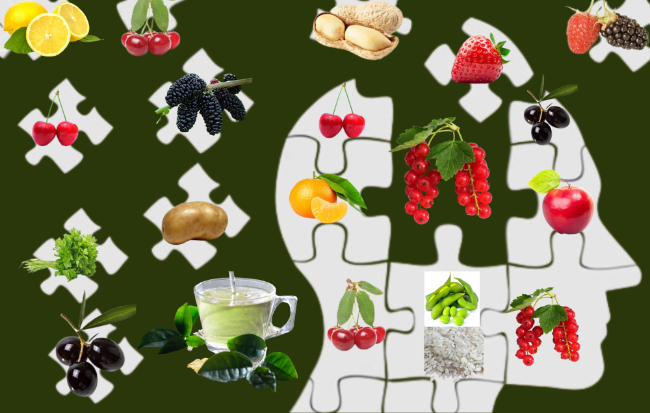
Good news for dementia sufferers!
Vita gazette – A recent US study found that the “flavonoids” in certain fruits and vegetables improve memory functions in the brain and reduce age-related mental decline.
As we age, forgetfulness and memory defects also enter our daily lives. But a recent study shows that even starting flavanols in the diet in the 40s and 50s improves memory. This substance is also found in some vegetables and fruits. For this reason, every person in society, especially those with dementia in their families, needs to be fed rich in these foods.
The powerful antioxidants that give fruit and vegetables their colour are called “flavonoids.” Some experts also refer to flavonoids as “vitamin P” Flavonoids are broken down into different structures. These compounds; are flavonols, flavones, catechins, anthocyanins and isoflavonoids. The latest research has been done on flavanols. And the antioxidant components of flavanols have been found to improve memory functions in the brain and reduce age-related mental decline.
In a joint study by Columbia University and Brigham & Young Women’s Hospital, 3,500 subjects were given either a 500-milligram flavanol pill per day or a placebo for three years. The study, which observed that the vocabulary and thinking speed of issues taking flavanol pills improved, revealed that flavanol slows memory problems that progress with age and increases memory capacity.
While mental improvement was seen in participants with low levels of flavanols in their bodies, flavanol-intensive eating habits also significantly improved cognitive function in older people.
“These are exciting results,” Gunter Kuhnle, a professor of food science at the University of Reading in the UK and co-author of the study, told the New York Post. “Because it shows how important it is to have the optimal amount of flavanols in your diet,” he said.
It’s also protective against cancer and heart disease!
Other studies have shown that flavonoid intake is protective against cancer and heart disease. The study, which followed 53,000 Danes for 23 years, found that people who ate moderate to high amounts of flavonoids were less likely to die of heart disease and cancer. Other studies support these findings.
Foods containing flavonoids
Flavanols, flavones and flavones are commonly found in fruits and vegetables. Parsley, thyme, onion, broccoli, apple, cherry, blackberry and citrus fruits are listed as the foods that contain the most flavonoids.
Catechin-containing foods prevent the formation of tumours, the spread of bacteria and viruses, and cell growth. It also protects the body from the effects of inflammatory reactions. The best resources; are fruits such as green tea, black tea, cherry, mulberry, blackberry, and raspberry.
Consuming foods containing anthocyanins also reduces the risk of developing diabetes in the future. Insulin is a hormone that helps lower blood sugar. Insulin is insufficient or cannot be used in patients with type 2 diabetes. Anthocyanin, on the other hand, can provide improvements in the body’s ability to secrete insulin. The best resources; are black elderberry, cherry, blackberry, currant, and strawberry.
Finally, isoflavones are potent carbon-containing antioxidant compounds. Isoflavones are primarily found in soybeans and products containing soybeans. Flax seeds, rye bran and strawberries also contain isoflavones.
In addition to these products, the foods we consume daily, such as peanuts, mustard, rice, sesame, olives, potatoes and oats, also contain flavonoids.
Share: